


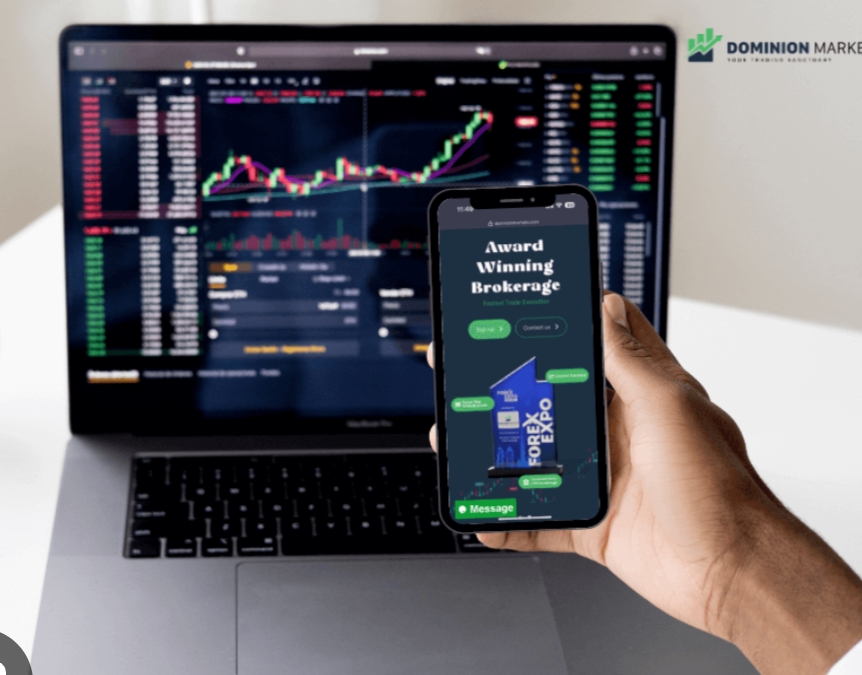
Forex trading is one of the most popular forms of investment around the globe, allowing individuals to trade currencies and profit from exchange rate fluctuations. If you’re looking to start forex trading, it’s essential to have a good understanding of how the market works and the best strategies for success. This beginner’s guide will walk you through everything you need to know to get started with forex trading.
What is Forex Trading?
Forex (foreign exchange) trading involves buying and selling currencies with the goal of making a profit from changes in exchange rates. The forex market is the largest financial market in the world, with a daily turnover exceeding $6 trillion. Unlike stock markets, forex trading occurs 24 hours a day, five days a week, giving traders plenty of opportunities to participate in global currency markets.
1. Understand the Basics of Forex Trading
Before jumping into forex trading, it’s crucial to understand some fundamental concepts:
-
Currency Pairs: In forex, currencies are traded in pairs, such as EUR/USD (Euro/US Dollar), GBP/USD (British Pound/US Dollar), etc. The first currency is the base currency, and the second is the quote currency. When you buy a pair, you’re buying the base currency and selling the quote currency.
-
Pips: A “pip” is the smallest price move that a currency pair can make. Understanding pips is vital for determining profit or loss in a trade.
-
Leverage: Forex trading allows the use of leverage, which means you can control a large position with a relatively small deposit. However, leverage also increases risk, so it’s important to use it wisely.
2. Choose a Reliable Forex Broker
The next step in starting forex trading is selecting a trustworthy broker. A forex broker acts as an intermediary between you and the forex market. When choosing a broker, look for the following:
-
Regulation: Ensure the broker is regulated by a reputable financial authority (e.g., the Financial Conduct Authority, the U.S. Commodity Futures Trading Commission).
-
Low Spreads and Fees: Choose a broker that offers competitive spreads and low transaction fees to maximize your profits.
-
User-Friendly Platform: The broker should provide an intuitive trading platform that makes it easy to execute trades, access charts, and manage your account.
3. Learn How to Analyze the Market
Effective forex traders rely on two types of analysis to make informed decisions:
-
Technical Analysis: This involves analyzing historical price data and using charts and indicators to predict future price movements. Common tools include moving averages, RSI (Relative Strength Index), and MACD (Moving Average Convergence Divergence).
-
Fundamental Analysis: This approach involves examining the economic and political factors that influence currency values, such as interest rates, inflation, and geopolitical events.
4. Practice with a Demo Account
Most forex brokers offer demo accounts where you can practice trading with virtual money. This is a great way to familiarize yourself with the trading platform and test your strategies without risking real capital. Use a demo account to practice entering and exiting trades, as well as to learn how to manage risk effectively.
5. Start Small and Manage Risk
As a beginner, it’s important to start small and gradually increase your position size as you gain experience. Never risk more than you can afford to lose. Implement risk management strategies such as setting stop-loss orders to protect your trades from excessive losses.
6. Keep Learning and Stay Updated
The forex market is dynamic, and staying informed about global events, economic reports, and market trends is essential. Continue to educate yourself through books, online courses, and webinars. Join trading communities and learn from experienced traders to improve your skills.
Conclusion
Starting forex trading may seem daunting at first, but with the right knowledge and strategies, anyone can participate in this exciting market. By understanding the basics, choosing the right broker, analyzing the market effectively, and managing risk, you can set yourself up for success in forex trading.












2 Comments
Your comment is awaiting moderation.
Waa xaaskiisii markii uu kacuu Ku wacayaa
Your comment is awaiting moderation.
2. Qisadii labada saaxiib:
Laba nin ayaa jid marayay. Mid ayaa kan kale ku yiri: “Haddii aad dhacdo waan ku qabanayaa.”
Markii uu dhacay ayuu yiri: “Saaxiibka dhabta ahi ma sugo inaad dhacdo; wuxuu kaa ilaaliyaa dhicitaanka.”
👉 Xikmad: Saaxiibtinimada waxaa lagu gartaa ficil, ee ma aha hadal.
Your comment is awaiting moderation.
2. Qisadii labada saaxiib:
Laba nin ayaa jid marayay. Mid ayaa kan kale ku yiri: “Haddii aad dhacdo waan ku qabanayaa.”
Markii uu dhacay ayuu yiri: “Saaxiibka dhabta ahi ma sugo inaad dhacdo; wuxuu kaa ilaaliyaa dhicitaanka.”
👉 Xikmad: Saaxiibtinimada waxaa lagu gartaa ficil, ee ma aha hadal.
Your comment is awaiting moderation.
Wan hurdaa fadlan
Your comment is awaiting moderation.
Yuusuf
Your comment is awaiting moderation.
Majoogo ha wilkasi
Your comment is awaiting moderation.
Waa hurda mustafe waxa kula hadlaya waa xaskisi
Your comment is awaiting moderation.
Waantagay
qeyta lasocodka
Your comment is awaiting moderation.
Carabey5544@gmail.com
Pro online wa lkn ino ka qabto marapo